Steps for Finding the Ideal Sliding Doors for Your Home Renovation
Picking the optimal sliding doors for a home renovation requires careful consideration of various factors. Space utilization, material selection, and design style all play crucial roles in achieving a cohesive look. Additionally, the size and functionality of the doors must align with the home's layout. Since there are so many choices, it’s essential to grasp how each option influences both beauty and usability. Which steps must be taken to ensure a successful selection?

Why Select Sliding Doors for Better Space Efficiency?
When evaluating home remodeling, many homeowners find that sliding doors offer outstanding space usage benefits. Unlike traditional copyrightd doors, sliding doors function on a track, allowing for seamless changes between spaces without needing additional clearance. This feature makes them particularly beneficial in smaller areas, where every inch counts.
Furthermore, sliding doors can enhance the aesthetic appeal of a home by producing a feeling of spaciousness and seamless transition. They frequently present expansive glass surfaces that welcome natural light, making rooms feel more roomy and friendly.
Furthermore, sliding doors can be customized to complement various architectural styles, further strengthening their utility. Their versatility permits homeowners to integrate them into both interior and exterior spaces, such as patios or living rooms, increasing functionality. Ultimately, choosing to install sliding doors can substantially improve space efficiency while delivering a modern touch to home interiors.
Selecting the Optimal Option for Your Sliding Doors: A Complete Guide
When picking out doors that slide open, the choice of materials is vital to both visual appeal and usefulness. An examination of frequently chosen options demonstrates their particular qualities, while emphasis on strength and care requirements help confirm enduring satisfaction. Grasping these aspects can help property owners in making a well-informed choice that suits their remodeling aspirations.
Frequently used Materials Overview
Choosing the appropriate material for glass doors is important in both functionality and aesthetics. Homeowners typically pick among several materials, each offering unique benefits. Wood delivers a classic, warm look, often preferred for its natural beauty and versatility in design. Aluminum is lightweight and modern, celebrated for its durability against rust and a polished finish. Vinyl is an energy-efficient choice, offering excellent heat retention and low maintenance, while fiberglass unites durability with a wooden appearance. Glass, especially in large panels, provides maximum light and connectivity with outdoor views, enhancing the overall ambiance. Each selection of material should correspond to the homeowner's style, budget, and intended use, guaranteeing a flawless fit for the renovation project.
Durability And Service Aspects
Assessing the durability and care needs is vital for homeowners thinking about sliding doors. Different materials come with their own pros and drawbacks. For example, wood offers a beautiful look but needs frequent sealing and refinishing to avoid warping. Aluminum is, conversely, lightweight and rust-resistant, requiring little upkeep. Vinyl strikes a middle ground between cost-effectiveness and durability, offering resistance to fading and cracking. Homeowners should also factor in the climate; those living near the coast might prefer materials that handle salty air well. Furthermore, choosing doors with durable hardware can improve lifespan. Routine cleaning and inspections will help extend the life of sliding doors, keeping them both functional and attractive. In the end, selecting the right material fits both lifestyle and long-term maintenance objectives.
Determine the Best Design Style for Your Sliding Doors
What is the best way to choose the most suitable look for sliding doors during a home renovation? To start, it is necessary to assess the property's complete style. Contemporary, minimalist approaches typically favor clean, frameless options, whereas heritage homes may work better with ornate frames combined with wooden details.
Examine the environment where the doors will be positioned. For instance, coastal homes might prefer glass designs or lighter woods that enhance natural light, while urban zones could choose industrial metals for a modern feel.
Moreover, integrating the glass doors with original design features can achieve a seamless finish. Specifications such as color themes, materials, and accessories should work with the overall interior.
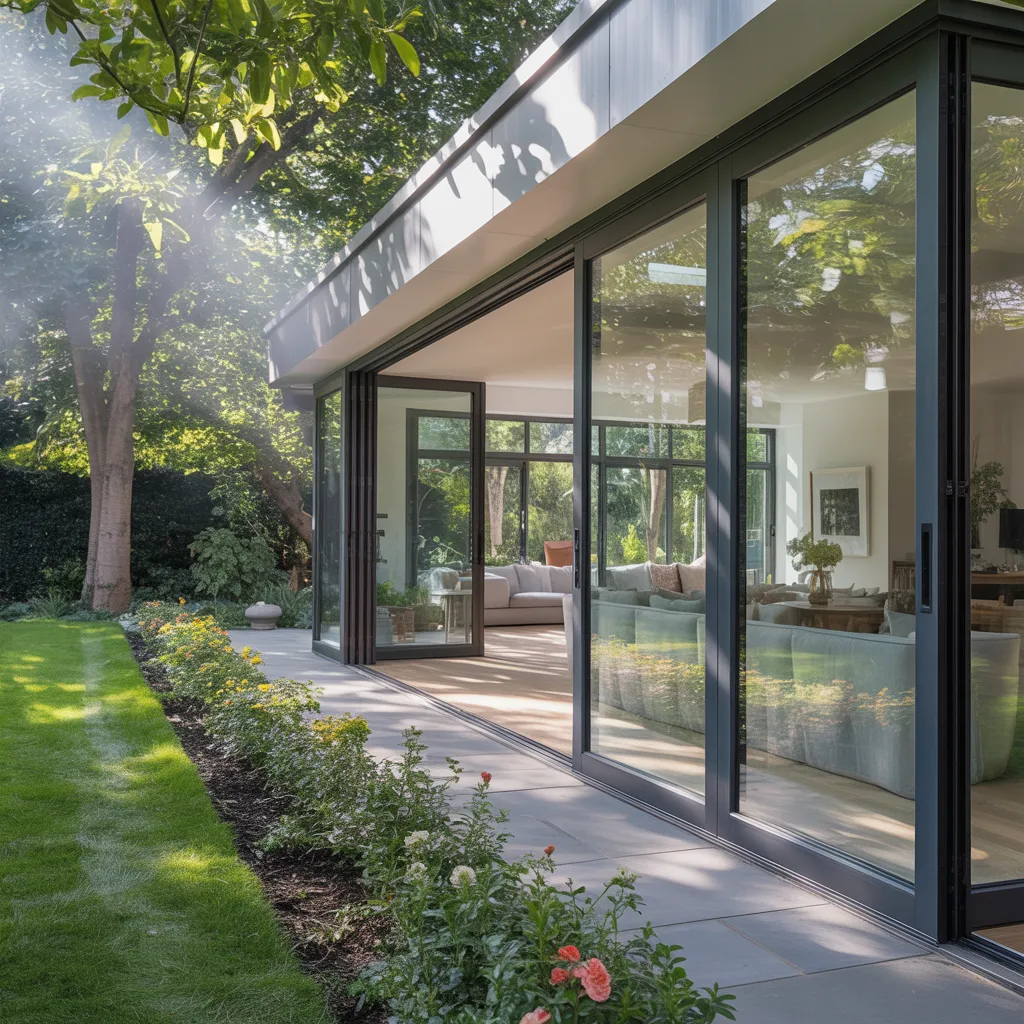
In the final analysis, selecting the right design style ensures that sliding doors not only perform a functional purpose but also augment the home's artistic value, fostering to a cohesive living space.
Selecting the Proper Dimensions for Your Sliding Doors
When picking sliding door systems, accurate dimensions of the available space are crucial to guarantee a proper fit. Furthermore, the dimensions of the door opening should be taken into account to preserve balance and functionality. Visual appearance also is important, as the size of the doors can affect the overall look of the space.
Measure Your Space Precisely
Precise measurements are vital for ensuring that sliding doors fit properly within a home's existing architecture. Homeowners should begin by assessing the dimensions of the planned entrance, identifying any obstructions such as molding or light fixtures. It is essential to consider the door track, which demands extra space both on both sides of the door. Additionally, assessing the wall space next to the door frame helps determining the size of the door system required. Using a level during measurements can prevent mistakes caused by irregular surfaces. Homeowners may gain advantages by speaking with an professional for accurate measurements, guaranteeing that the selected sliding doors enhance the visual appeal and performance of the home.
Evaluate Door opening Size ratios
After confirming accurate measurements, homeowners must evaluate the scale of the doorway when choosing sliding doors. The dimensions of the doors should complement the proportions of the doorway, improving both functionality and appearance. A doorway that is too small can produce a confined feeling, while large doors may dominate the space. It is essential to maintain a equilibrium, making sure that the doors do not block walkways or conflict with furniture arrangement. Additionally, the elevation of the sliding doors should align with the roofline to create a unified appearance. Homeowners should also consider the general size of the room, enabling the doors to serve as a focal point without overwhelming the entire area. Correct dimensions ultimately contribute to a harmonious design.
Include Visual Appeal
The aesthetic charm plays a key role when selecting the right size for sliding doors in a home renovation. Homeowners need to consider how the size of the doors will complement existing architectural features and design elements. For example, larger sliding doors can form a striking focal point, enhancing the visual flow between indoor and outdoor spaces. On the other hand, smaller doors may provide a more understated integration, particularly in cozy areas. Furthermore, the choice of materials and finishes should correspond with the overall decor style, whether modern, traditional, or eclectic. Ultimately, the correct size not only improves functionality but also elevates the home’s aesthetic, producing a harmonious balance that mirrors the homeowner's personal taste.
Strategies to Expand Efficiency in Your Sliding Door Space
Optimizing functionality in a pocket door space involves strategic planning and thoughtful design. First, examine the door's placement to confirm convenient access and smooth movement. A strategically positioned sliding door can boost movement between rooms or to outdoor areas, minimizing hindrance in narrow spaces.
Determining the correct scale is necessary; jumbo doors can produce a outstanding focal point while still delivering copious light and visibility. Furthermore, selecting sliding doors featuring multiple panels can provide flexibility, enabling wider openings when desired.
Positioning built-in storage or seating beside the sliding door can utilize space effectively, transforming the area into something both practical and attractive.
Finally, picking hardware matching the door style while ensuring ease of operation will enhance the overall user experience. By carefully evaluating these elements, homeowners can create a functional and visually attractive sliding door space that meets their needs.
What Budget Should You Earmark for Sliding Doors?
What amount should house owners realistically allocate for sliding door installations? The cost for sliding doors can differ significantly on construction materials, size, and design elements. On average, homeowners can expect to invest between $500 to $2,500 per door. Basic vinyl or aluminum options are typically affordable, while bespoke wooden or premium designs can raise the total price.
Installation costs also impact the financial plan, often ranging from $200 to $1,000, subject to complexity and labor rates. Homeowners should evaluate extra expenses including hardware, finishes, and any required structural updates.
Ultimately, it's critical to assess the overall remodeling costs and prioritize on quality materials that improve both visual appeal and performance. Researching different styles and consulting with professionals can assist in determining educated decisions while staying within budget. By assessing requirements and exploring various options, homeowners can find sliding doors that suit both their style and financial considerations.
Often Asked Questions
Can Patio Doors Enhance Home Energy Efficiency?
Sliding doors can markedly improve home energy efficiency by providing improved insulation and natural light. High-quality models with energy-efficient glazing minimize heat loss, cutting energy expenses for heating and cooling while improving overall comfort in your home.
What Service Do Sliding Doors Call For Over the Years?
Sliding doors require routine upkeep, including cleaning see information on this tracks, roller lubrication, and seal inspection. Over time, homeowners should also check for any signs of wear or damage to guarantee peak performance and durability of the doors.
Should You Use Sliding Doors in Homes That Have Pets - Are They Be Secure?
Sliding doors may be safe for homes with animals, as long as they are designed with pet-safe features. Options include tempered glass, strong locks, and smooth tracks to prevent accidents and guarantee pets' security.
How Can I Keep Privacy When Using Sliding Doors?
To ensure confidentiality with sliding doors, one can use curtains, blinds, or frosted glass panels. Additionally, strategically placed landscaping or screens can enhance privacy, allowing homeowners to enjoy natural light while maintaining their desired level of privacy.
How Should You Identify the Best Locking Mechanisms for Sliding Doors?
The superior security systems for sliding doors contain multi-point locks, keyed locks, and floor locks. These alternatives strengthen protection and offer confidence, making certain that the doors stay securely closed and tough to breach.